
사진: 이의록
이유경·최지수
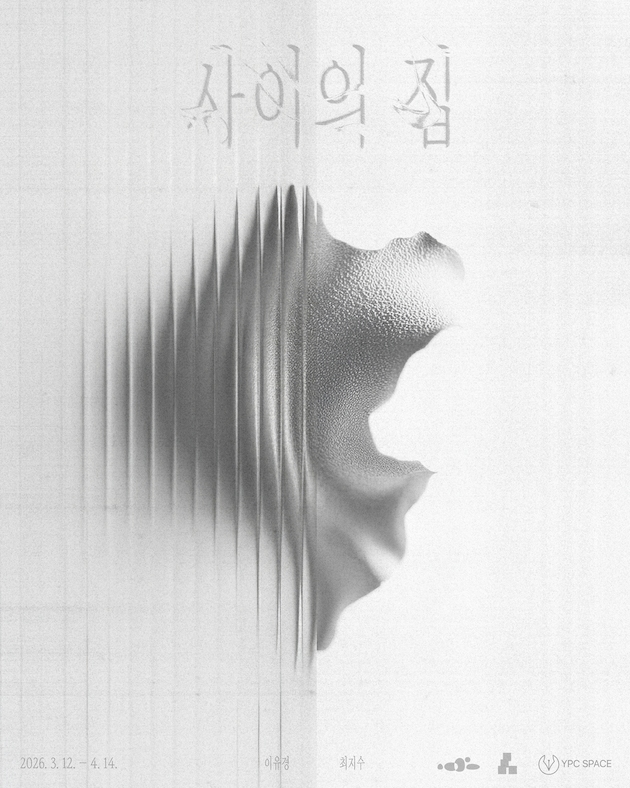
《사이의 집》
2026. 3. 12. – 4. 14.
YPC SPACE (서울시 중구 퇴계로 258 4층)
관람시간
화–일 11:00 – 19:00 (월요일 휴무)
기획 권정현
포스터디자인 박소영
사진 이의록
주최 옐로우 펜 클럽(YPC)
후원 한국문화예술위원회 시각예술창작주체
이 집은 몸으로서 집, 좌대로서 집, 전시로서 집이다. 가장 사적이고 내밀한 곳이자 모두에게 노출되기를 선택한 곳이다. 이 집에서 몸은 고요하지만 치열하게 이동하고, 항의하고, 협상한다.
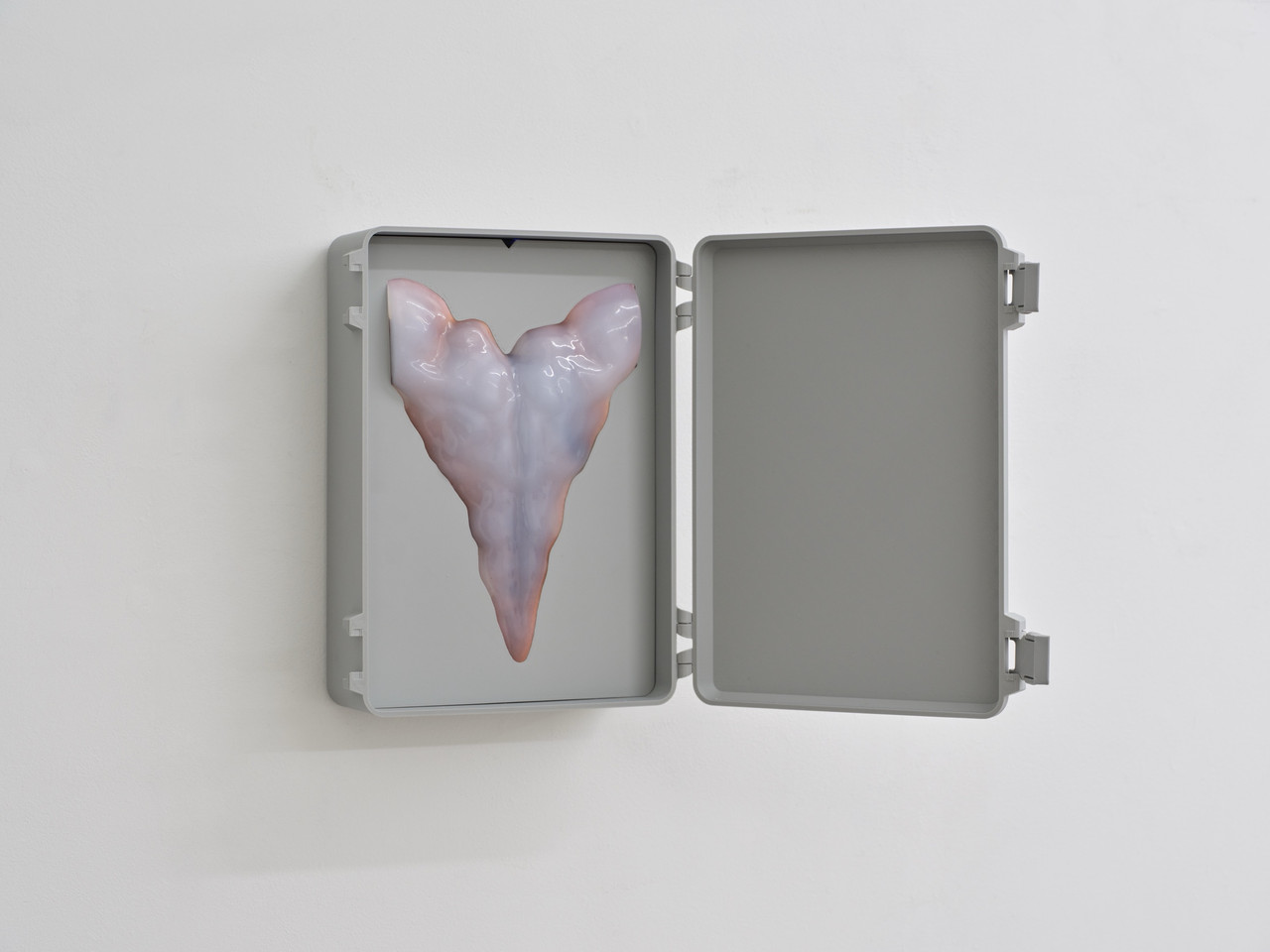
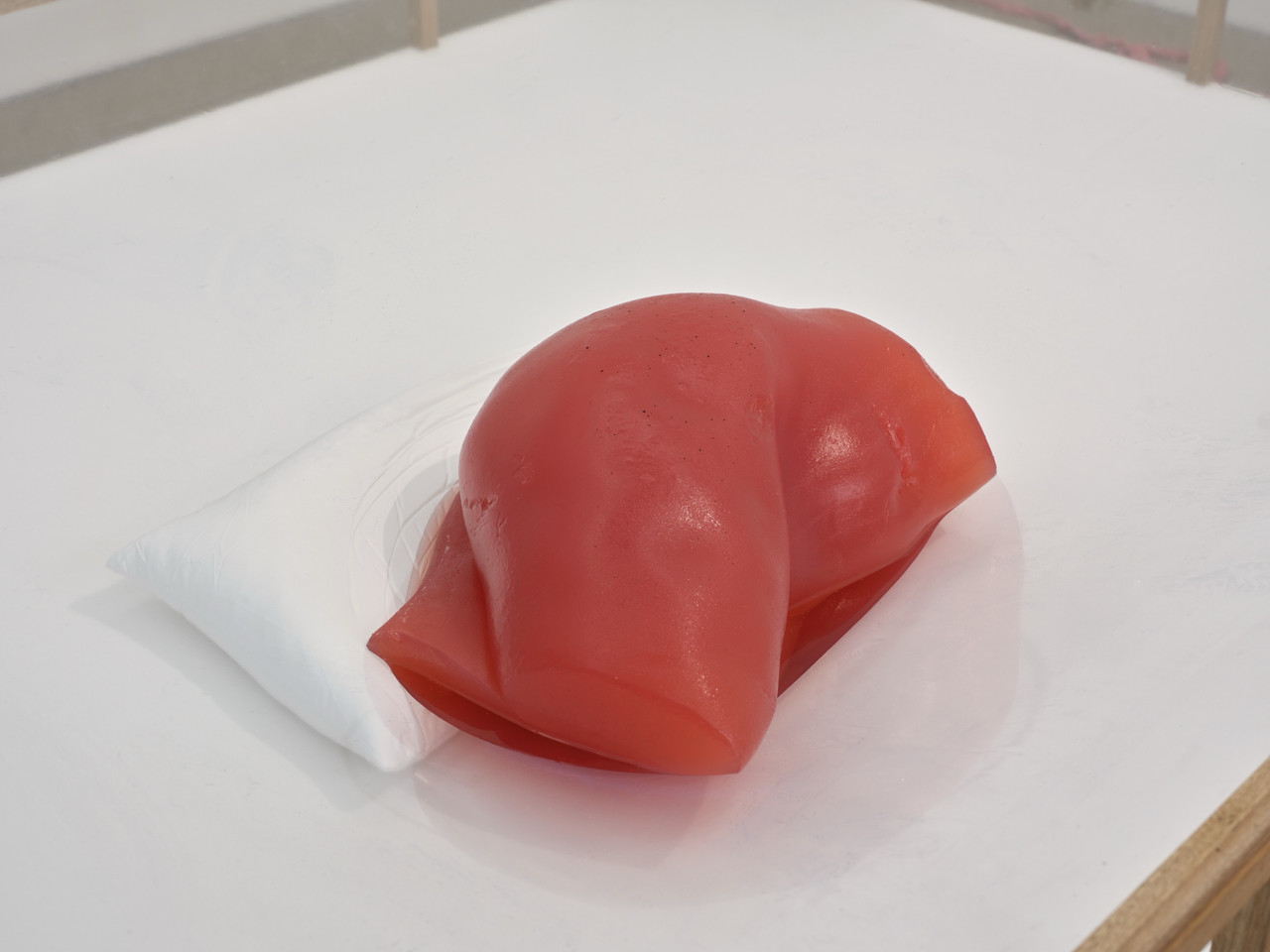
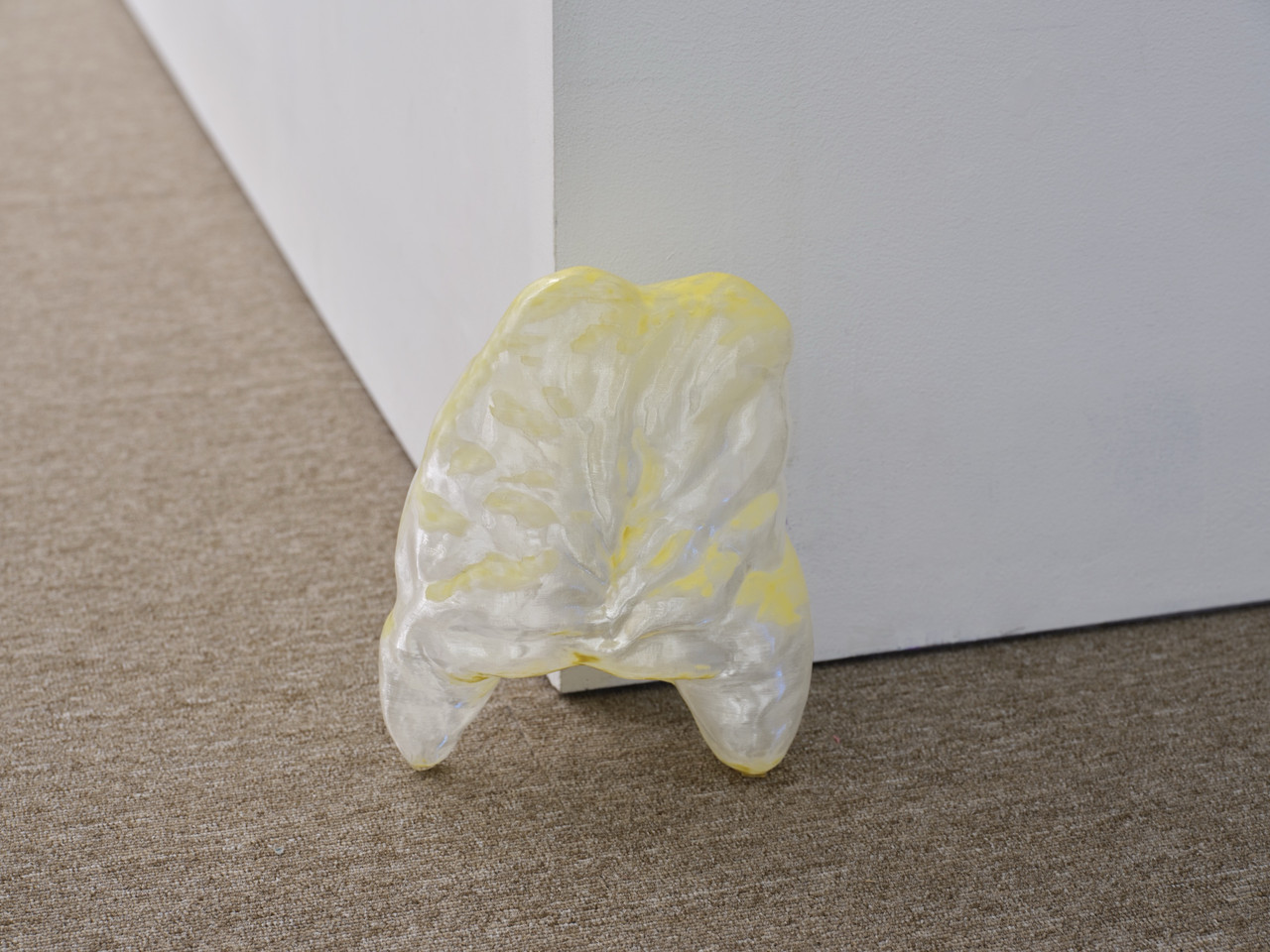
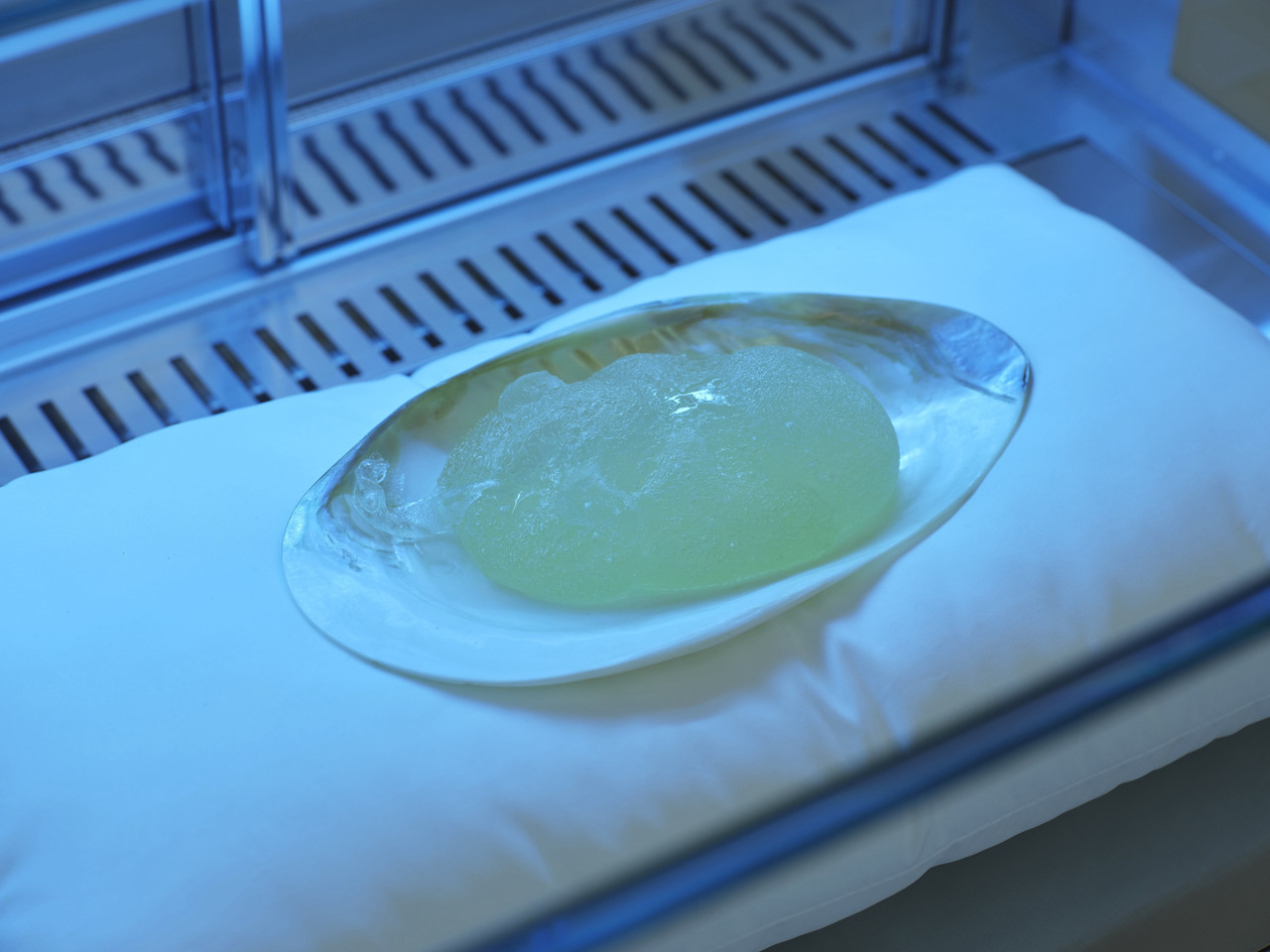
이유경은 관계 속에서 대상화되는 동시에 주체가 되는 여성의 몸을 자신만의 조각 언어로 재해석한다. 여성으로서 몸, 욕망의 대상으로서 성애화된 여성의 몸, 사회적 시선에 반응하며 나이들어가는 몸에 대한 복합적 감정을 다양한 재료로 풀어낸다. 자신의 몸을 캐스팅하여 만든 조각들은 작가의 분신 같은 존재인 동시에 자신의 몸을 닮은 자식이기도 하고, 열화복제되면서 원본에서부터 멀어진 에디션들이기도 하다. 원본으로서 몸에서 멀어진 몸들은 각기 다른 방식으로 재편집되고 변화하면서 불완전하게 존재한다. 먹을 수 있는 재료로 만들어진 몸 조각은 마치 자신의 몸에서 영양분을 나누어 주는 어머니를 떠올리게 하는 동시에 먹고 싶은 충동을 일으키는 귀엽고 소중한 것을 떠올리게 한다. 그중 유일하게 냉장고에 보관되어 그 형태를 계속 유지하는 조각 <니니>는 캐스팅이 아니라 직접 소조한 것이다. 제우스가 태아 상태였던 디오니소스를 자신의 허벅지에 품어서 보호했다는 신화에서 이름을 따온 ‘니니’는, 인큐베이터 안의 미성숙한 태아를 보호하고 지켜보듯이, 작가가 직접 손으로 빚은 소중한 것으로서 보호된다.
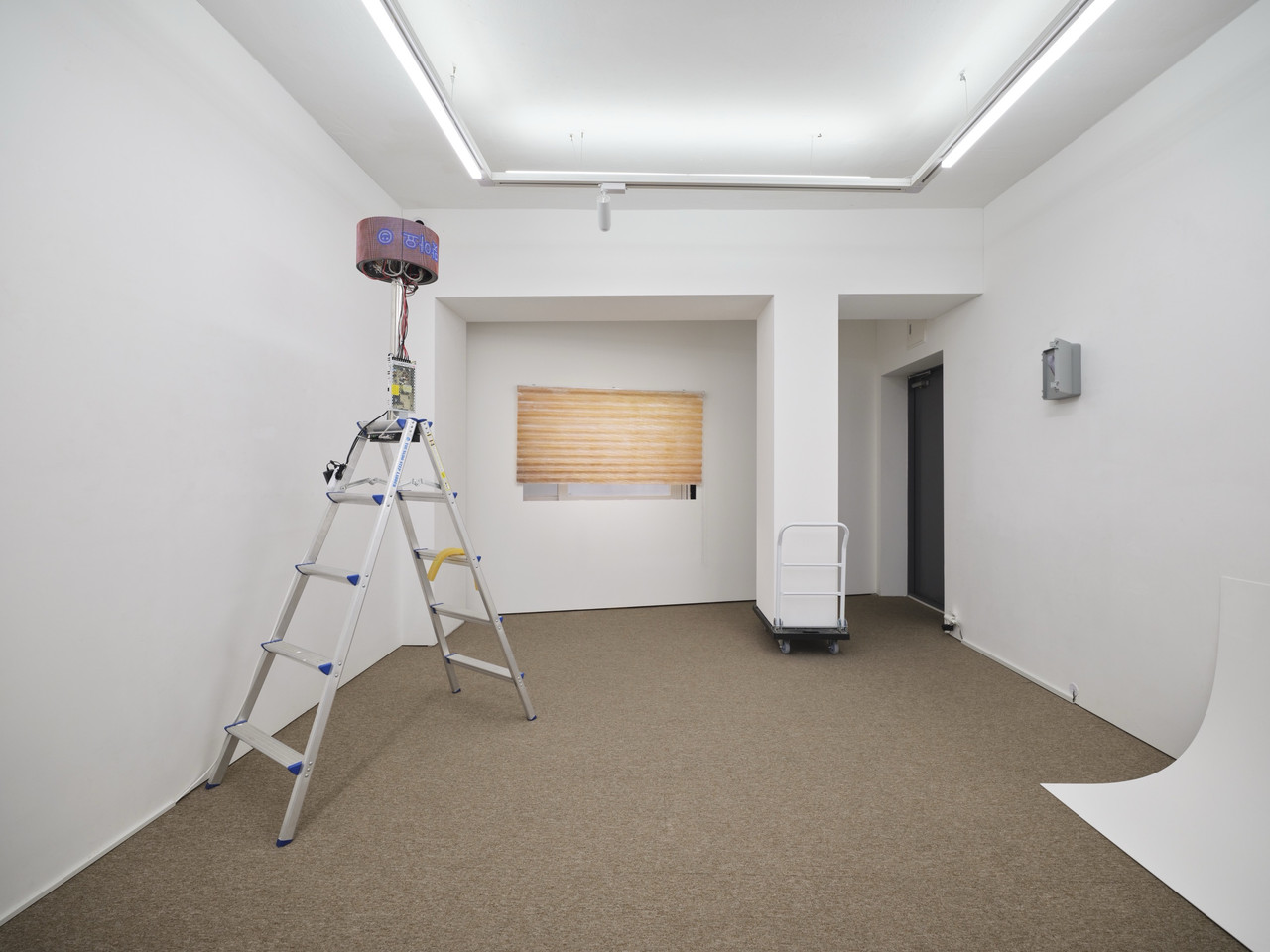
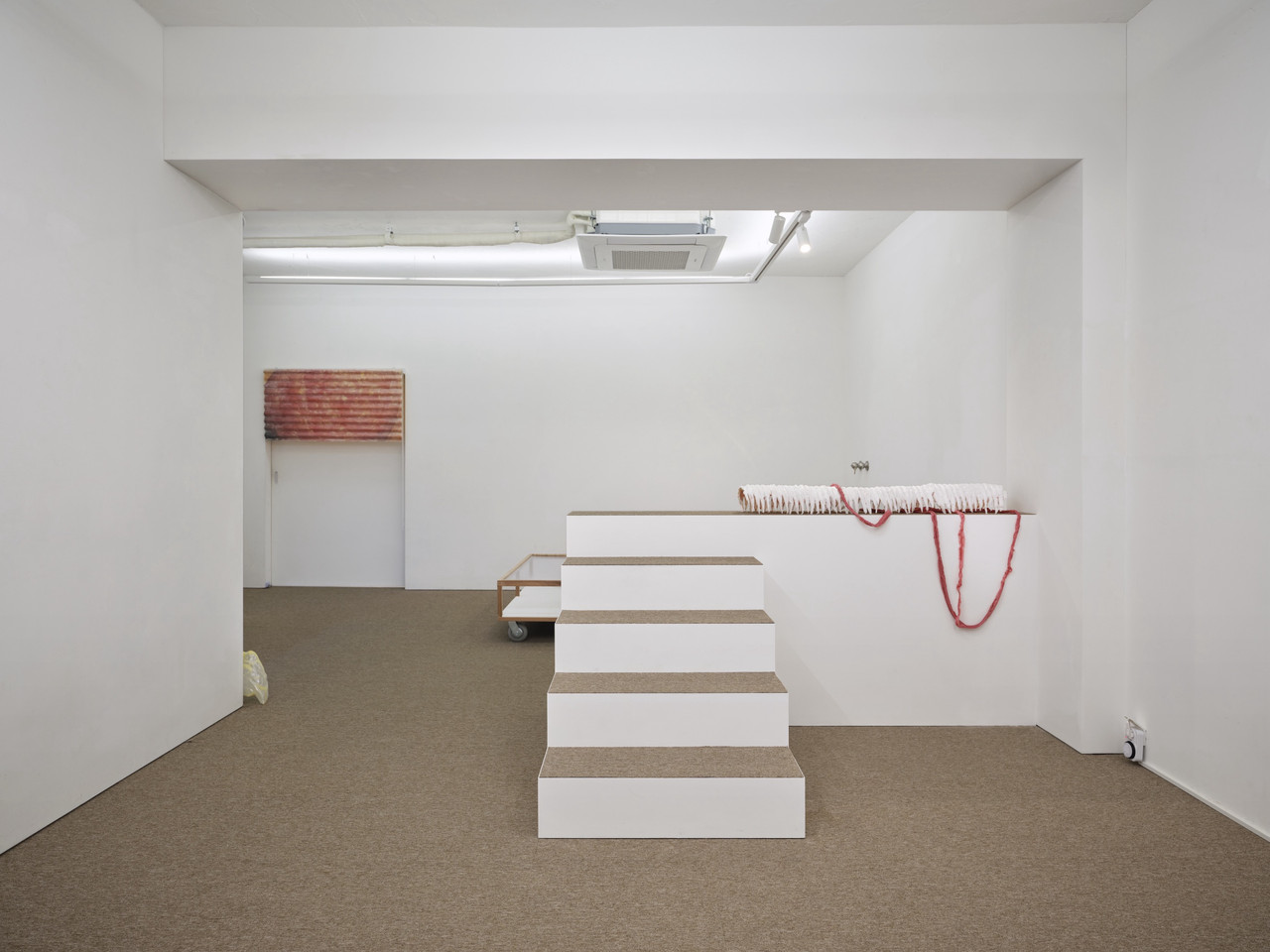
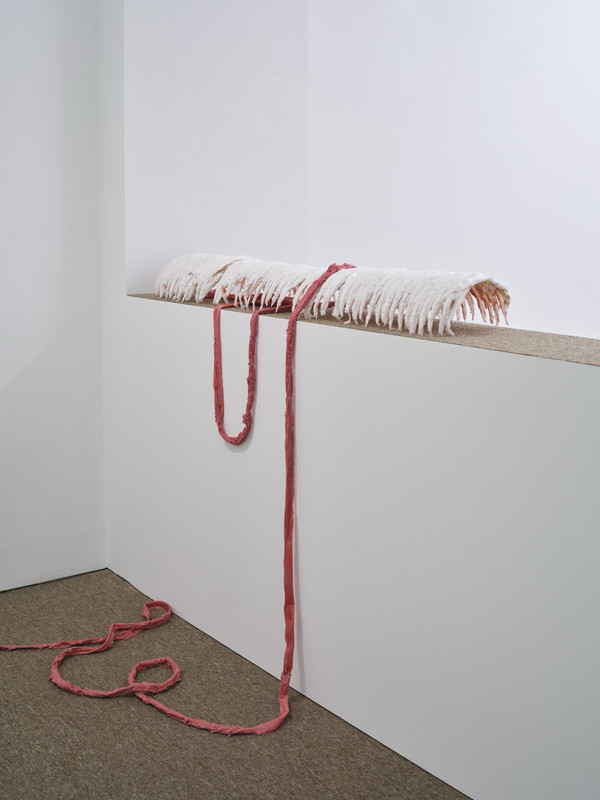
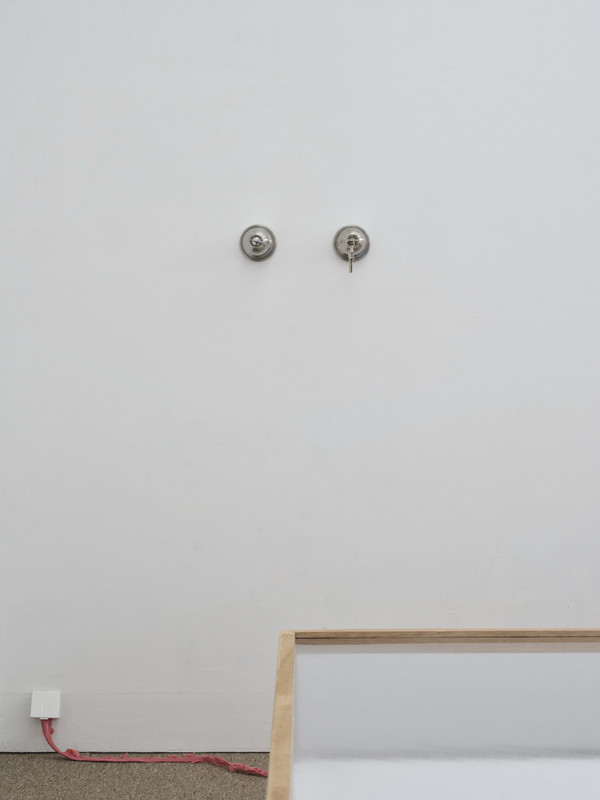
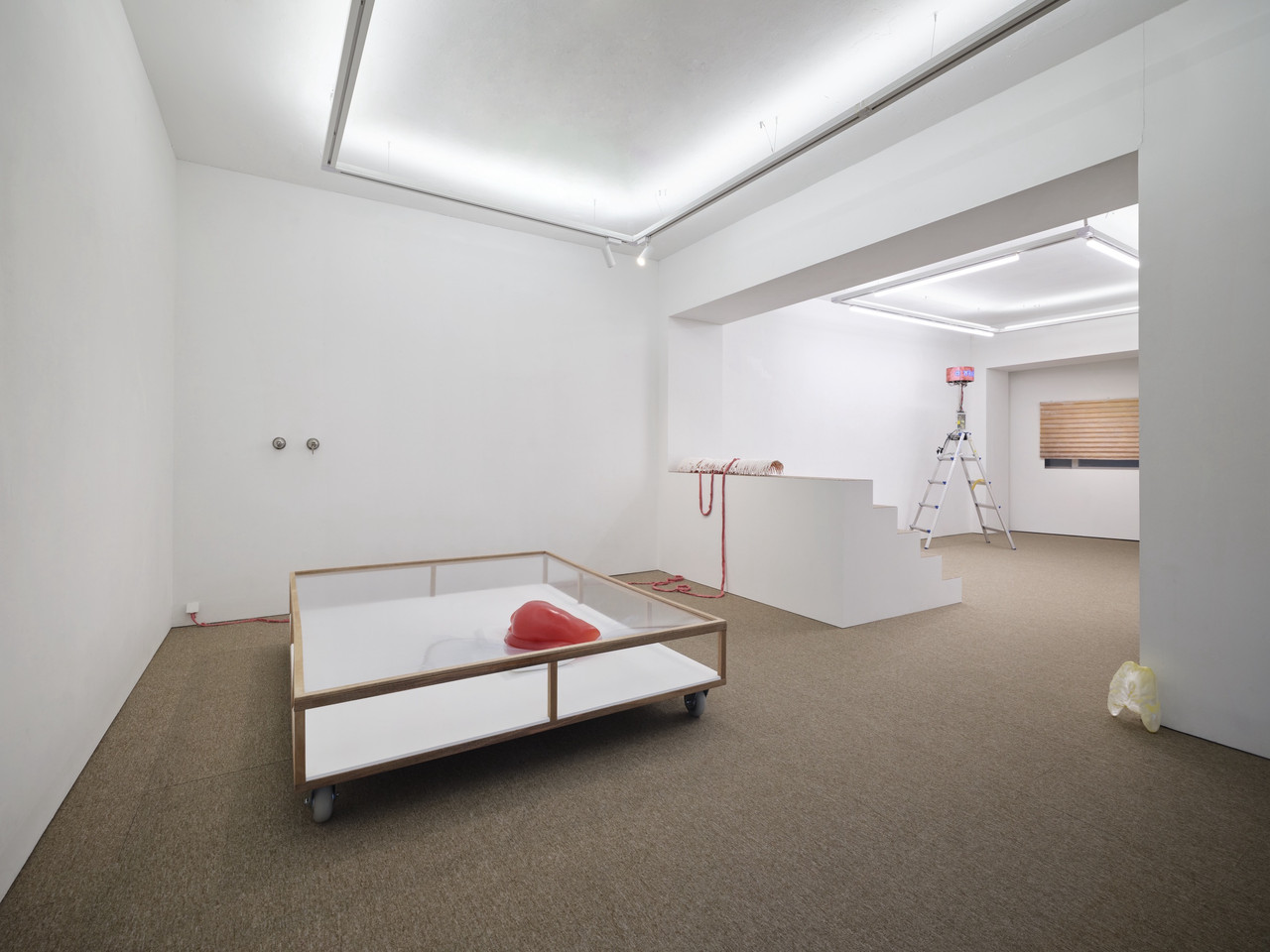
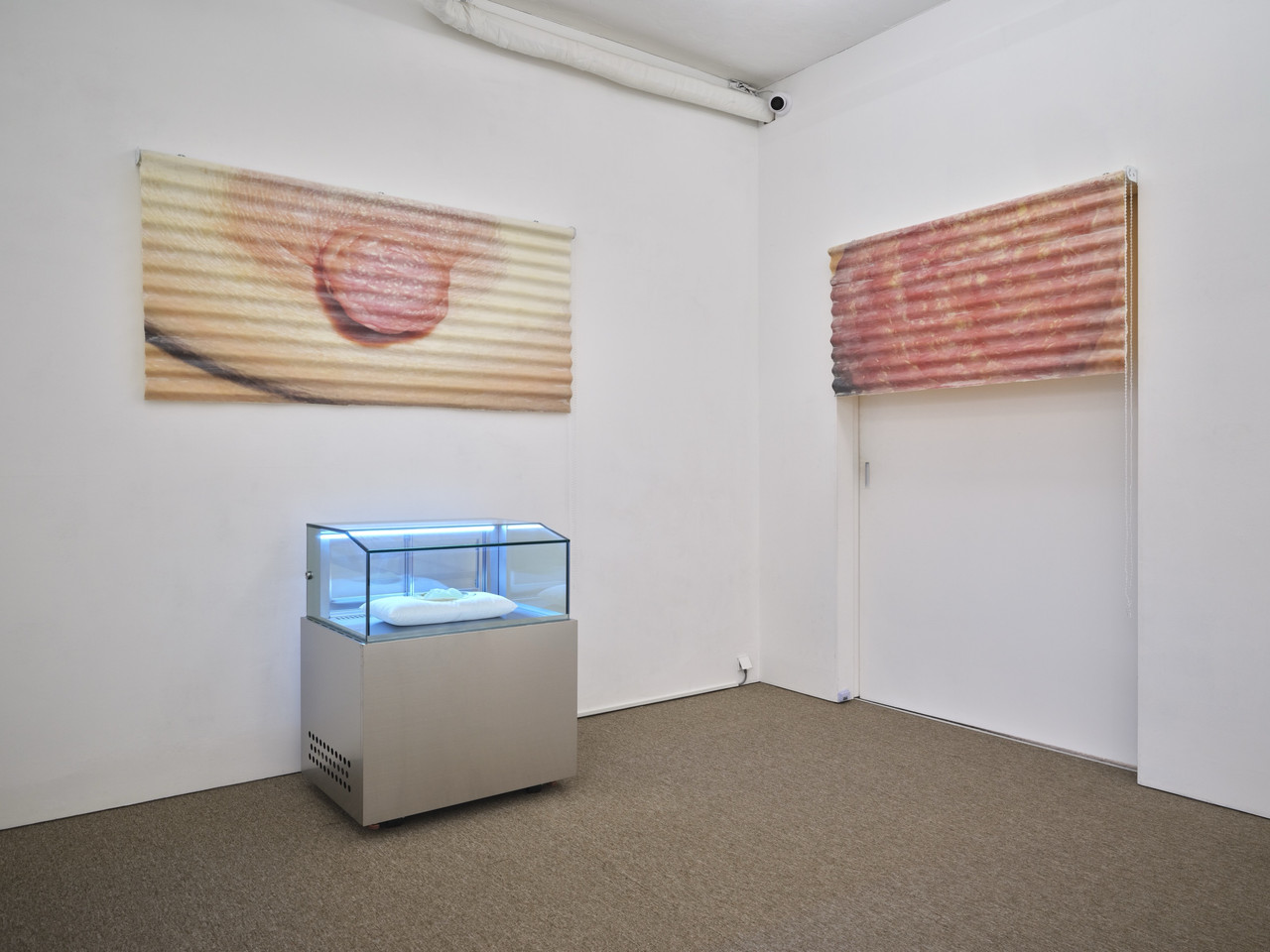
한편 최지수는 사회적 맥락 안에서 변화하는 몸에 대한 인식을 다룬다. 관념적으로 이상적인 몸에 대한 선망과 여성으로서 몸이 결여한 것에 대한 양가감정, 사회적으로 재단당하는 여성으로서의 몸에 대한 인식이 뒤섞여 가구를 닮은 조각으로 유비되어 나타난다. 가장 정확하고 규격화된 것 같은 사물들이, 임시적이고 가변적인 형태로 나타나며, 경계를 무화하는 몸의 형상이 된다. 작가인 동시에 전시의 실행을 위해 공간 조성과 설치를 하는 제작자이기도한 그는 전시의 전후를 오가며 활동하는 자신의 직업적 정체성이 그러한 몸의 특성과도 닮았다고 인식한다. 이번 전시에서는 전시장 공간을 하나의 집으로 구조화함으로써 좌대로서 집을 제작한다. 이 집은 전시를 둘러싸고 있는 껍데기이면서 전시가 일어나는 내부이고, 그 자체로 작품이자 작품을 받치고 있는 좌대이기도 하다. 임시로 만든 가벽, 용도가 없는 계단, 구조에 의탁하며 존재하는 가짜 기둥은 완벽히 고정되지 않은, 임시적이고 가변적인 구조물의 형태로서 집의 정체성을 흐린다.
이 전시에서 집은 외부와 떨어진 닫힌 공간인 동시에 모두에게 노출되어 가장 내밀한 것을 밖으로 드러내는 곳이다. 가장 사적인 공간이지만 서로의 환상과 열망, 의지와 욕망이 충돌하고 교차하며, 모두에게 내보여지는 장소가 된다. 이곳은 끝없이 소용돌이 치는 감정, 서로 맞서는 관계, 정착하지 못하는 것들을 껴안은 채 평온하고 따뜻하게 흘러간다. 가장 내밀한 곳에 있는 이야기가 거침없이 노출되며 모두가 바라보기를 기다린다. 이유경과 최지수는 살과 껍데기의 틈에서 때로는 수동적으로, 때로는 주체적으로 존재하는 몸이 존재할 수 있는 여러 방식을 모색한다.
Lee Yukyung, Choi Jisoo
The House Between
March 12 – April 14, 2026
YPC SPACE (4F, 258, Toegye-ro, Jung-gu, Seoul)
Curated by Junghyun Kwon
Graphic design by Soyoung Park
Photo by Euirock Lee
Organized by Yellow Pen Club
Supported by Arts Council Korea
This house is a house as body, a house as plinth, and a house as exhibition. It is at once the most private and intimate of places, and one that has chosen to expose itself to all. Within this house, bodies move, quietly yet fiercely, protesting and negotiating.
Lee Yukyung reframes, through her own sculptural language, the female body that is at once objectified within relationships and constituted as a subject. The female body, the eroticized object of desire, and the complex emotions surrounding a body that ages under the social gaze unfold by way of diverse materials. Sculptures cast from her own body hold space at once as extensions of the artist, as resembling offspring, and as degraded editions distanced from the original through processes of replication. These bodies, estranged from the originary body, are in constant transformation. Sculptural bodies made from edible materials evoke the figure of a mother who shares nourishment from her own body, while reminding us of something tender and precious that invites the impulse to consume. Among them, the only work preserved in a refrigerator, maintaining its form, Nini, is not cast but hand-modeled. Named after the myth in which Dionysus, still a fetus, is protected within the thigh of Zeus, Nini is safeguarded as something precious shaped directly by the artist’s hands, like an incubated, immature body being watched over and protected.
Meanwhile, Choi Jisoo engages with shifting perceptions of the body within social contexts. Their analogical forms, or furniture-like sculptures, superimpose the longing for a conceptually “ideal” body, ambivalence toward what the female body is perceived to lack, and the awareness of the body as socially measured and prescribed. Objects that appear precise and standardized emerge instead as provisional and mutable, becoming bodily forms that dissolve boundaries. As artist-cum-fabricator, Choi recognizes that her own professional identity, moving between before and after the exhibition, mirrors such bodily qualities. In this exhibition, she structures the exhibition space as a single house, producing the house as a plinth. This house is both the shell that encloses the exhibition and the interior in which it unfolds; it is at once an artwork and the support that sustains other works. Temporary partition walls, purposeless stairs, and faux columns that lean on structural frameworks destabilize the identity of the house, rendering it an unfixed, provisional, and mutable construction.
In this exhibition, the house is both a closed space set apart from the outside and a site exposed to all, where the most intimate is laid bare. It is a private domain, yet one where fantasies and desires, intentions and impulses collide. Here, swirling emotions, opposing relations, and unsettled states are held together as they flow, calm and warm. What resides in the most intimate interior is laid open without restraint, waiting to be seen. Through the interstice between flesh and surface, Lee Yukyung and Choi Jisoo explore multiple modes through which bodies—at times passive, at times agentive—might come into being.